


CAMAGÜEY — It was 6:10 p.m., and she was resting at home. She never imagined she would experience anything like it. In Cuba, she had never lived through an earthquake, and nothing had prepared her for what was about to happen.
If you ask her what she felt that day, she answers without hesitation: desperation, frustration, pain, and fear.
The memories she carries from La Guaira are unforgettable—not because they are good ones, but because they are marked by devastation. She remembers a city left broken and grieving.
Even now, it still feels unreal.
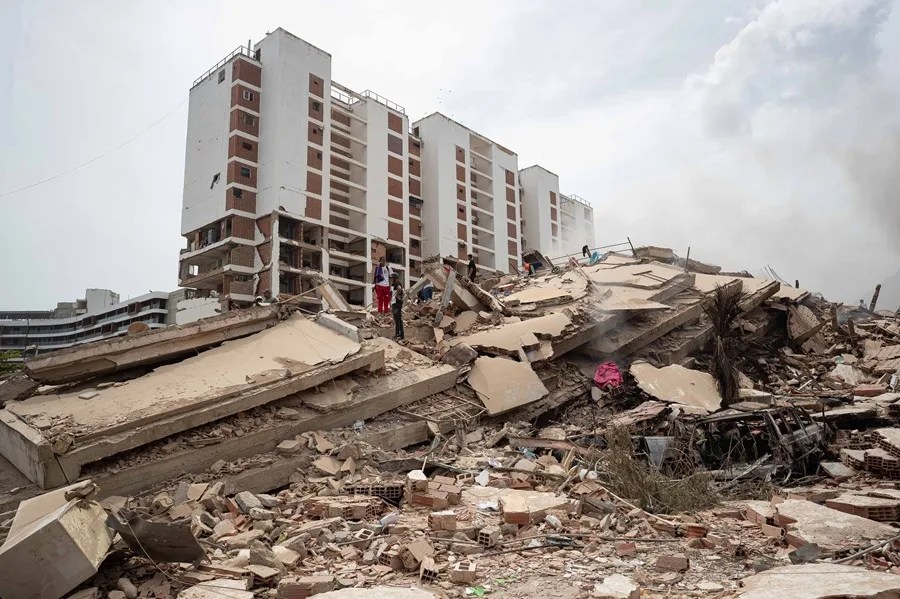
"It was shocking to see everyone—Cubans and Venezuelans alike—running toward the highest points in the city," she recalls. "It still feels like something out of a movie. Buildings collapsing, people losing everything, others clinging to the hope of finding their loved ones. Many are living on the streets or in temporary shelters, and some are afraid to return home in case the earth shakes again."
She still cannot explain how she managed to react so quickly. Despite never having experienced anything similar, she did not freeze. She ran.
Perhaps the strength came from thinking about the people waiting for her back home—the family that needed her, the hope of embracing them again.
In those terrifying moments, only one thing crossed her mind: her 13-year-old twin daughters, her mother, her sister, and her nephew.
"Thankfully, I didn't panic," she says. "I reacted immediately. I started calling my colleagues who lived on the third floor of the building, and we all ran outside. The first few minutes were filled with fear—fear that another quake would strike and deep concern for all the Cuban medical workers stationed in the state. People were running, crying, screaming. I can tell you about it, but you have to live through it to truly understand."
According to official reports, the earthquakes claimed more than 4,000 lives, left 16,740 people injured, and displaced over 17,000 residents.
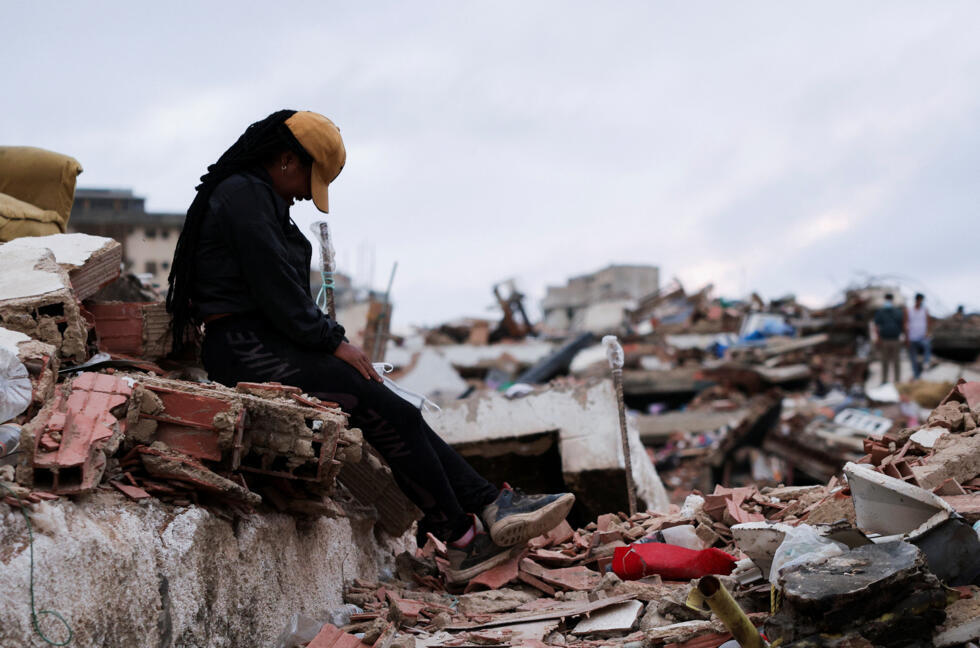 Photo: Reuters
"When the shaking finally stopped, it was already dark. The Venezuelan neighbors told us to run to higher ground because they feared the sea might surge inland. Even after 10 p.m., we were still outside. All the Cuban medical personnel gathered to make sure everyone was safe, and we spent the night together in the same building until dawn."
For nearly two days, she was unable to contact her family.
"Forty-eight hours later, thanks to a cousin living in another state, I was finally able to let everyone in Cuba know I was safe. When I managed to speak with them, the first thing they said was, 'Come home.' At moments like that, you have to reassure them from a distance. It's incredibly hard, but right now my duty is here in Venezuela."
Then came the second stage of the tragedy: caring for the injured, comforting those who had lost everything, and offering hope to people struggling to find any.
The hardest part, she says, is doing so while carrying her own fear and heartbreak.
"We're facing every kind of emergency. We work directly in the Comprehensive Diagnostic Centers (CDIs), caring for hospitalized patients who lost their homes. We also visit the shelters where displaced families are staying and travel to communities that suffered less severe damage.
"What I see in people is overwhelming sadness, desperation, and uncertainty. I imagine they're wondering what will become of them—how they'll rebuild their homes, how they'll live with the loss of those they loved. Sometimes I don't even know how to respond because they're so deeply affected."
Today, if asked to single out one patient or one story that has stayed with her, she finds it impossible.
She has witnessed too much.
She has listened to too many stories.
Choosing just one, she says, would be unfair.
But there is one image she knows she will never forget: families who still refuse to give up hope of finding a loved one alive.
"That's what has affected me the most," she says. "Everyone is desperately searching for someone they love, hoping to find them—or at least to be able to give them a dignified farewell."
"Seeing entire buildings collapsed... whole families trapped beneath the rubble... watching patients arrive after being pulled from underneath days later, knowing they survived against all odds... hearing people call their relatives over and over, hoping someone would answer the phone... It's heartbreaking.
"An international medical mission is already a challenge, but this is beyond anything I could have imagined. It's painful, and I wish none of this had happened. But my family gives me the strength to keep going every day. I know they're waiting for me to return home safely so they can hold me again. I keep telling them that day will come.
"And when I look at the sadness in the eyes of the Venezuelan people and realize they are counting on us to care for them, I know this is where I need to be. I'm afraid. I'm exhausted. But this is where my duty is right now."
Yohandra visits one of the emergency shelters established after the earthquake. She has had almost no free time in recent days, but agreed to have her photograph taken to accompany this interview.
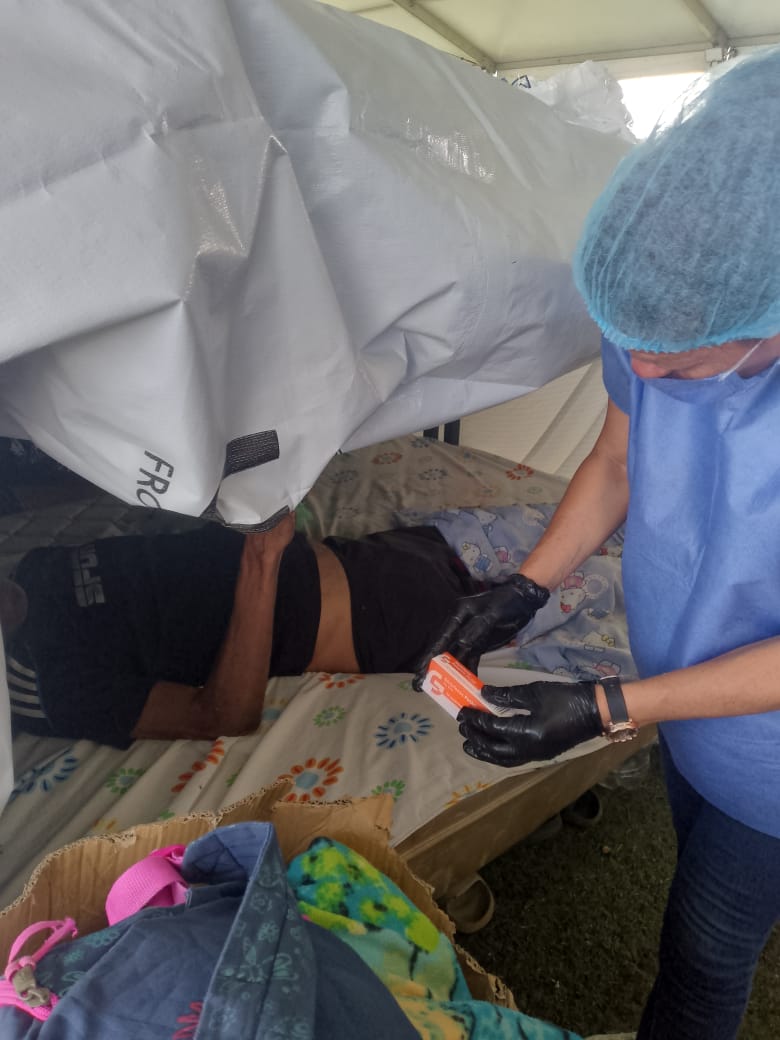 Photo: Courtesy of the interviewee
Translated by Linet Acuña Quilez