
- You are here:
-
Home

- Culture
The Conversations We Still Need to Have
By Yanetsy León González/Adelante
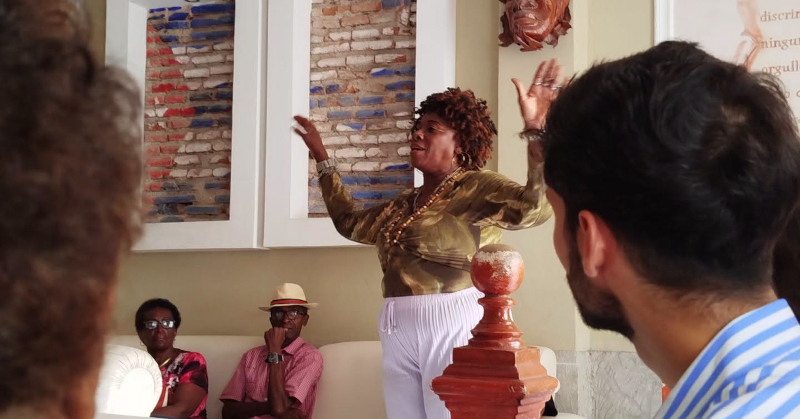
October 10th, 1868, and October 12th, 1492, are two dates that speak to us as Cubans from different shores of history. One marks the beginning of Cuba’s wars of independence; the other, the European conquest of the Americas, the resistance of Indigenous peoples, and the wounds of colonization that still need to be examined.
Read more ...Camagüey Seeks to Shine Through Culture
By Yanetsy León González/Adelante
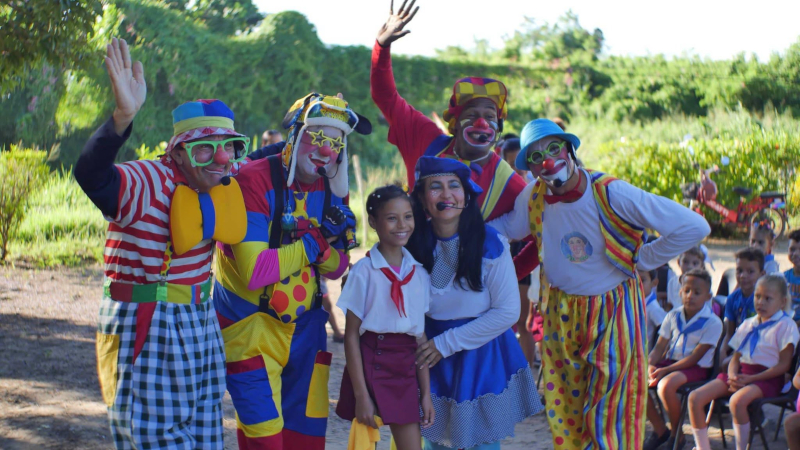
With a program spanning research, music, dance, visual arts, literature, heritage, and community outreach, Camagüey will celebrate Cuban Culture Week from October 10th to 20th, bringing more than a hundred activities to the city and surrounding municipalities.
Read more ...Calle 232 Comes to the Nuevo Mundo Audiovisual Complex
By Yanetsy León González/Adelante
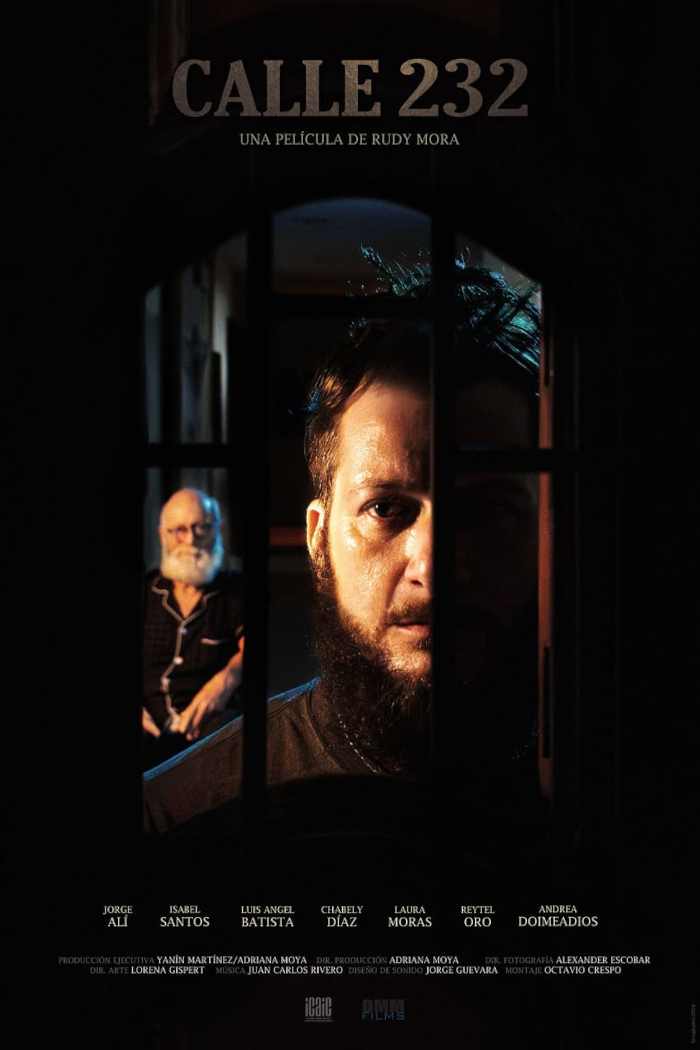
The Nuevo Mundo Audiovisual Complex in Camagüey is premiering Calle 232, a Cuban-Mexican fiction film directed by Rudy Mora and made in 2025.
Read more ...The Day Time Dressed Up as a Blue Elephant
By Yanetsy León González/Adelante
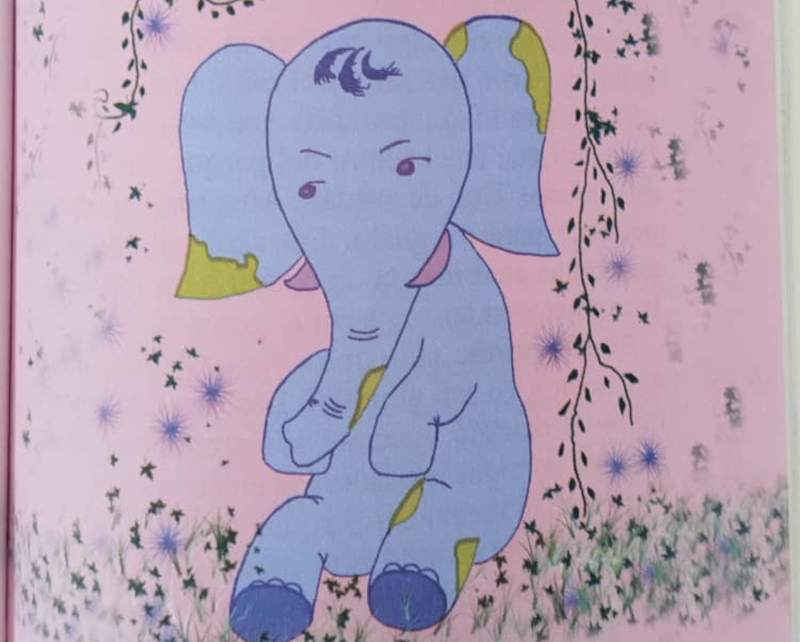
I had seen Tatiana Morales Rodríguez around. I knew about the Russian woman who has lived in Camagüey for more than four decades, but I had never actually spoken with her. Just a few minutes before the Book Fair press conference was due to begin, we finally had the chance to talk briefly.
Read more ...Mágicos Caprichos for Children at Camagüey Book Fair
By Bárbara Valdés Muñoz
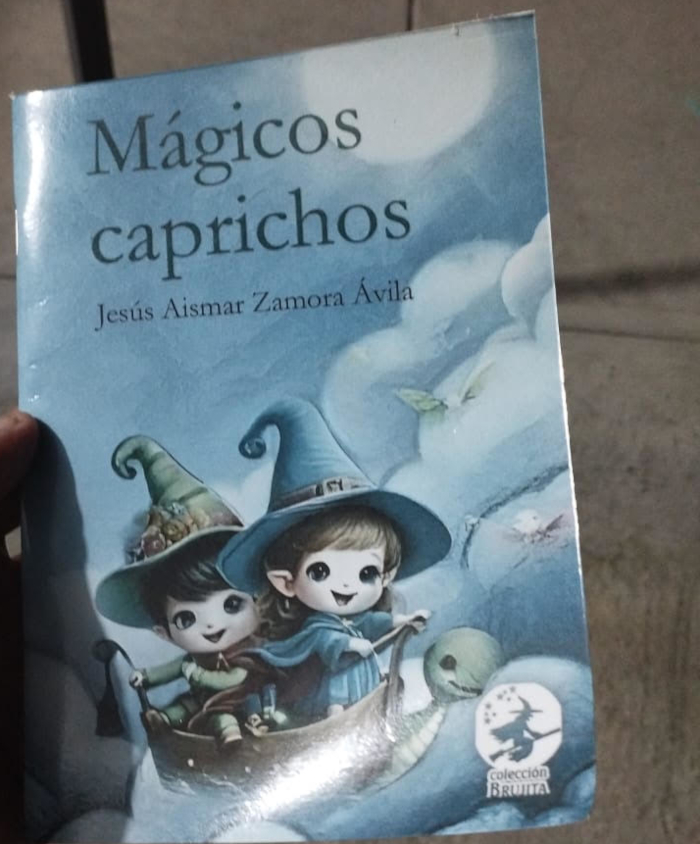
Mágicos Caprichos is one of the latest titles published by Ediciones Loynaz and will be presented at the Book Fair, scheduled to bring the summer season to a close in the city of Camagüey.
Martha Jiménez, on Her Way to Art Basel: “Art Immortalizes You for Life”
By Yanetsy León González/Adelante
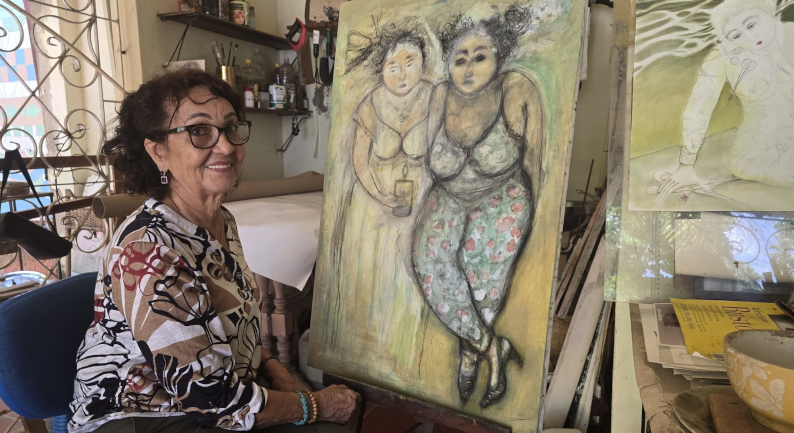
From the entrance of the house, your eyes travel across the courtyard. First they find the vegetation: leaves opening overhead, plants filling the corners, shadows shifting with the light. Then, almost at the very back, a woman appears.
The Crochet Girls
By Yanetsy León González/Adelante
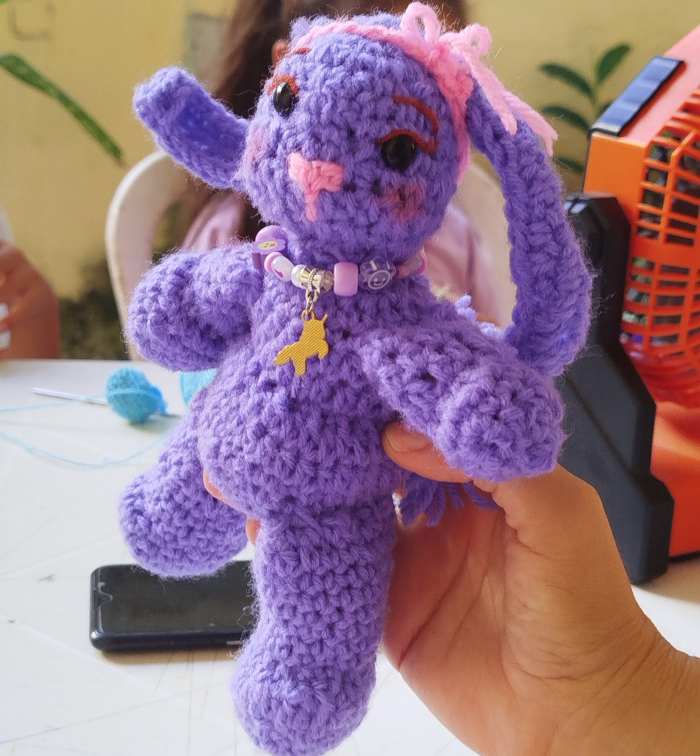
Thursday was the last class of the summer. After that will come the graduation ceremony being organized by the Cuban Association of Artisan Artists in Camagüey for students from the different workshops. But before bringing this short series to a close, I wanted to pause over a discovery that perhaps was not part of the original plan: the crochet girls.
Fidel Became Poetry in Camagüey
By Yanetsy León González/Adelante
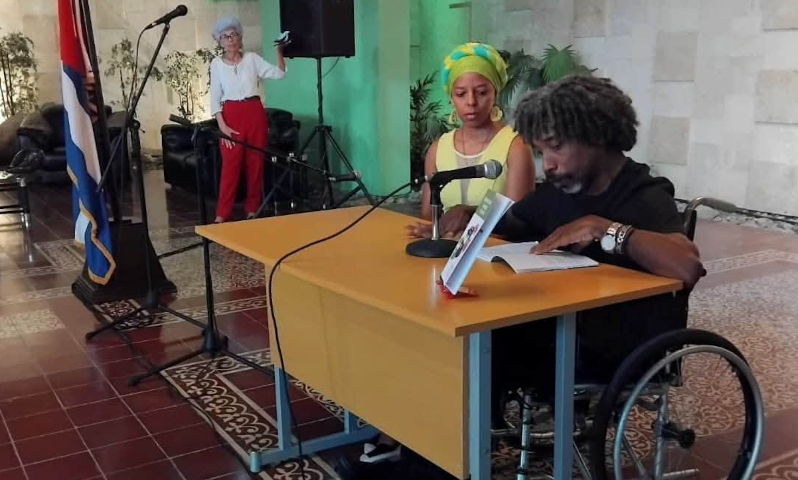
On His Shoulders, the Dawn: Camagüey Poetry Dedicated to Fidel Castro brings together texts by 29 authors in a book that, beyond its commemorative purpose, documents the different ways in which a historical figure can become part of collective memory and be transformed into poetry.
Golpe a Golpe Brings a Variety of Activities to the Summer Season
By Rosmely González Álvarez, Journalism Student
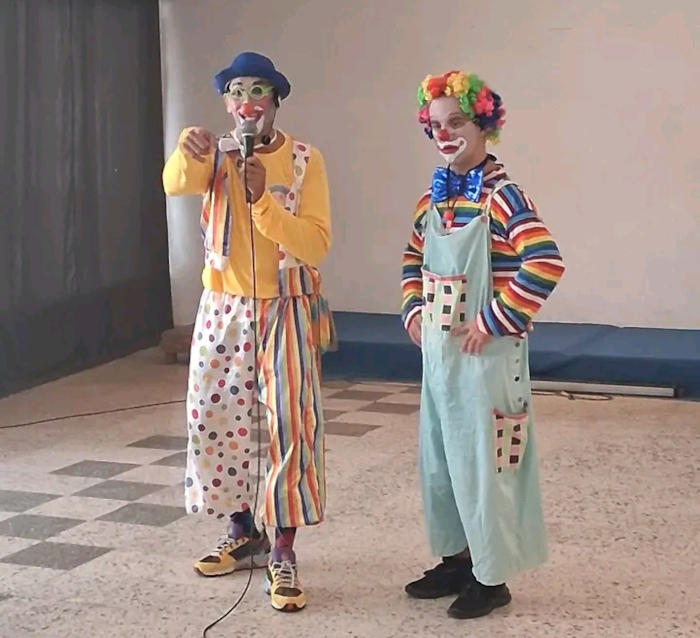
With a program designed to promote learning, recreation, and community engagement, the provincial socio-cultural project Golpe a Golpe is offering a wide range of activities throughout the summer break for participants of all ages.
- You are here:
-
Home
- Culture