
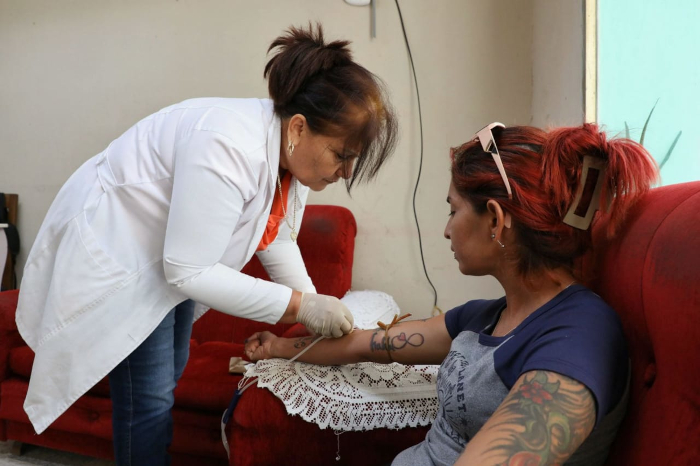
CAMAGÜEY.— If a mass-casualty accident were to occur in Camagüey tomorrow, blood probably wouldn’t be there “listening to the conversation.” It would eventually appear, of course. Blood already earmarked for other patients would be redirected, and by the following day many Camagüey residents would likely be lining up outside the Blood Bank, rolling up their sleeves as they have done in the past.
Even more troubling is when blood cannot be found for individual cases—people living with illnesses who need regular transfusions. The same people whose faces appear on Facebook posts or WhatsApp statuses, searching desperately for donors or offering to pay “whatever it takes” for a unit of blood.
“I’ve been there, sitting in a hospital ward, watching patients deteriorate—friends, relatives, people you know, who eventually become family too,” says Evelyn Queipo Balbuena, whose mother suffered from a condition that required constant blood transfusions. “I’m not in a position to judge anyone who pays for blood. I’ve heard all kinds of prices. In our case, money never changed hands. What we gave was support: paying transportation so donors could get to the Blood Bank, which is far from the city center, and providing food so they could break their fast afterward, because the refreshments offered there are no longer what they used to be. It strained our finances, but it was the least we could do.”
The reality is that voluntary blood donation is declining, leaving a vacuum that is being filled in the worst possible way. Most donations today are directed donations: a donor arrives at the bank, identifies the specific patient they are donating for, and—after meeting all requirements—proceeds with the donation.
The trend is reflected in figures that may seem abstract on paper. In 2025, Camagüey’s Blood Program was expected to collect 14,400 liters of blood. It delivered only 11,552 liters—80.2 percent of the target. Just 2.2 percent of the province’s population remains active blood donors.
But this is not merely another unmet quota. These are not cold statistics. They represent lives, medical services, family stress caused by the endless search for donors, and growing doubts about the Cuban healthcare system. Poor blood management has become increasingly evident across the province, and urgent solutions are needed.
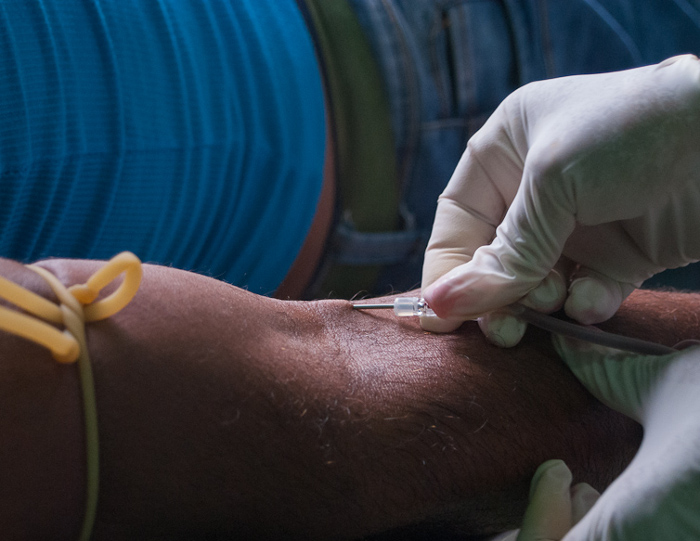
Uncertainty in the Ward
Evelyn’s story is deeply intertwined with the Hematology Ward of Camagüey’s Amalia Simoni Hospital and the Provincial Blood Bank.
“My mother suffered from myelodysplastic syndrome. Her bone marrow didn’t produce enough platelets and eventually stopped producing adequate numbers of red blood cells as well. Although her bone marrow biopsy in 2024 ruled out leukemia, the treatment was aggressive—chemotherapy.
“Her condition was extremely unstable. At one point her platelet count dropped to zero and she needed four units. That meant four donors because she was petite and had lost a lot of weight due to the illness. A larger person might need ten or twelve units. In those cases, platelet transfusions had to be administered over three or more consecutive days, depending on the physician’s instructions. That was nearly impossible to arrange. Finding four suitable donors a day was incredibly difficult, and even when we did, some would be ruled out during screening.
“Access to blood was very difficult. Although I’d be lying if I said we always had to find donors ourselves. Sometimes blood was available, and we’re deeply grateful to the staff in Hematology and the transfusion department at Amalia Simoni.
“We also came to see the Blood Bank staff as family. For a year and a half we went there with relatives, friends, neighbors, acquaintances, and volunteers. Their kindness and willingness to greet people with a smile made it possible to work miracles. But in a Hematology ward you see heartbreaking situations. People from rural municipalities whose friends and relatives are willing to donate, yet there’s no practical way to get blood to them because hospitals often don’t have enough, and there’s no adequate transportation infrastructure.”
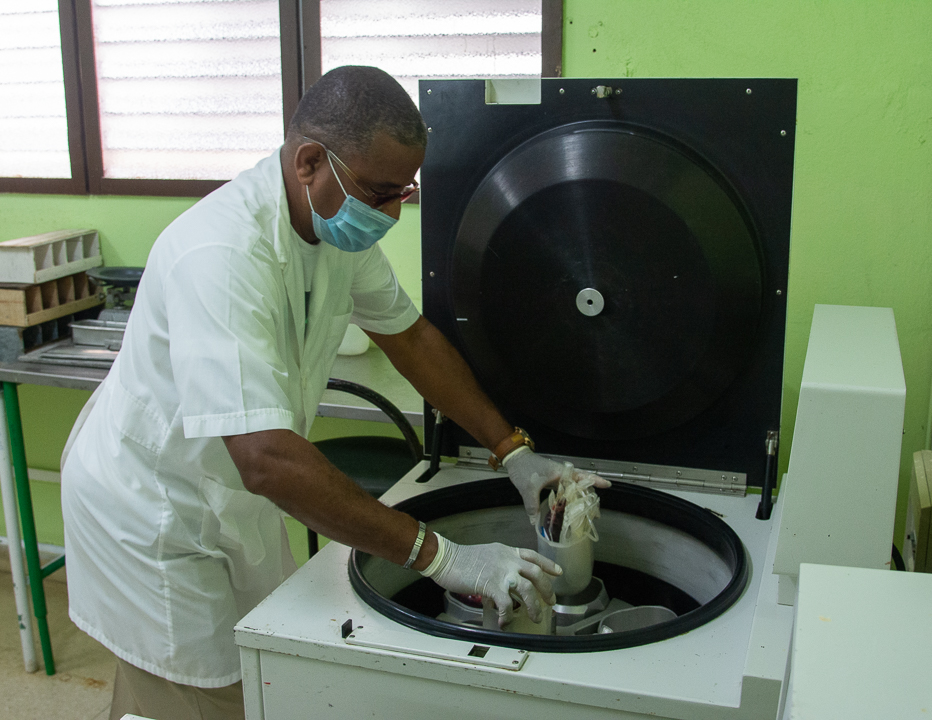
Without Support, There Are No Arms
Blood donation in Cuba relies on volunteer donors and is traditionally coordinated through neighborhood Committees for the Defense of the Revolution (CDRs) and local family doctors. But these community structures have weakened over time, losing much of the social influence they once had.
The Blood Bank regularly appeals for support across the province, but those calls rarely translate into coordinated action. Voluntary donations account for only a small fraction of total collections.
“In 2024 we faced a severe shortage of collection bags,” explains Dr. Reinaldo Pons, hematologist and director of Camagüey’s Provincial Blood Bank. “There were times when people wanted to donate and we had to turn them away because we simply didn’t have the supplies. That discouraged many donors and weakened the entire system. Some people still believe we collect less blood because we lack bags. But last year we had enough supplies to support the program.”
The country’s outbreaks of viral illnesses also played a role.
“Chikungunya created uncertainty,” Pons says. “How long should people wait before donating? Some continued experiencing joint pain for months and didn’t feel well enough. The donor’s health comes first. November and December were particularly difficult months for the Blood Bank.”
Yet supply shortages and illness are only part of the story. Poor planning, lack of coordination, and limited public awareness—especially among younger generations—have become major obstacles.
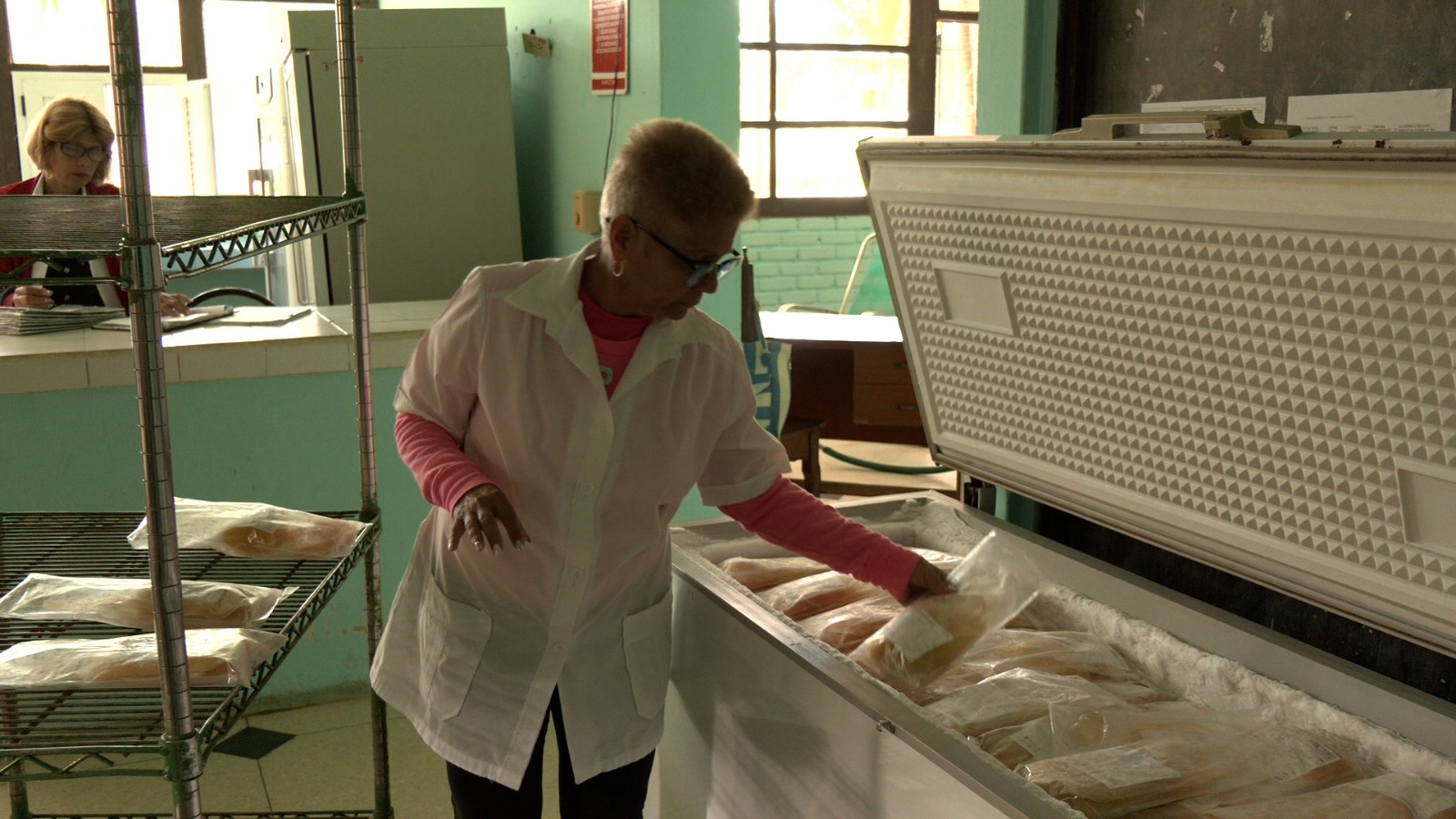
Blood Bank workers speak openly about their frustration.
“Many clinics don’t even know their donor potential,” says the province’s head of donor recruitment. “Trying to recruit people over forty isn’t enough when so many young people know little about the process. Sometimes we arrive in a community for a supposedly planned donation drive and the local health staff doesn’t even know we’re coming.”
The director of Florida’s municipal blood bank echoes the concern. Years ago, she says, blood donation was treated as a priority and all local stakeholders met regularly to coordinate efforts. Today, the donor population is aging and community outreach has become ineffective.
The result is predictable: scheduled donation drives that return with two, three, or even zero donations. Universities and workplaces—places with enormous potential—remain underutilized. And when campaigns are organized, they often yield fewer than ten units of blood.
One thing is clear: the Blood Bank cannot do this alone.
The Distance Blood Must Travel
In a country where daily life is increasingly difficult, willingness alone is not enough. Transportation has become one of the biggest barriers.
Anyone wishing to donate for a friend or relative may first need that patient’s family to cover transportation costs. Reaching the Provincial Blood Bank is expensive, and not every household can afford it. Blood itself may not be bought or sold, but the process increasingly comes with hidden costs.
The closure of key collection sites—including those at Manuel Ascunce Domenech Hospital, Amalia Simoni Hospital, and the Previsora district—has only worsened the problem. Whether due to staffing shortages or infrastructure issues, restoring these facilities should be a priority.
Transportation challenges also affect institutions. Although Camagüey has one provincial blood bank and four municipal facilities, many blood products still need to be processed centrally.
“For short distances we transport blood in refrigerated coolers,” Pons explains. “If it isn’t processed within six hours, it begins to deteriorate and clotting factors disappear. Unfortunately, we have lost blood this way. People need to understand that transporting blood products is one of the responsibilities of ambulance services.”
The same difficulties affect plasma destined for Cuba’s pharmaceutical industry. Plasma used to manufacture medications such as interferon must be shipped to Havana in refrigerated vehicles. Yet freezers at the Provincial Blood Bank remain full because no collections have been made since June.
The question is unavoidable: what happens when there is no more room?
If People Don’t Know, They Don’t Donate
Blood donation has always been surrounded by myths.
One of the most persistent is the belief that donating once somehow obligates you to keep donating forever. Fear takes over, and people simply choose not to do it.
Pons explains that bone marrow fully replenishes blood cells within ninety days. Even so, he recommends a four-month interval between donations.
“If someone donates twice a year, there is absolutely no risk,” he says.
Another common misconception concerns tattoos. In reality, many physicians recommend waiting only four months after getting a tattoo before donating.
The requirements themselves are straightforward. Under Resolution 101 of the Ministry of Public Health, donors must be between 18 and 65 years old, be in good health, and not suffer from uncontrolled chronic conditions or acute illnesses at the time of donation.
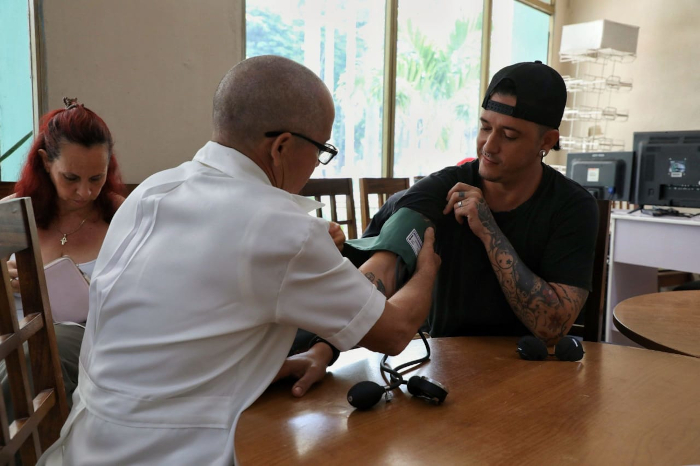
But the deeper issue may be motivation.
Today, donating blood for strangers often falls low on people’s list of priorities. Public trust has also eroded. Constant appeals for blood on social media have led many to question where donations actually go and whether supplies are being managed effectively.
A survey conducted by Adelante, primarily among people aged 18 to 34, revealed that blood donation is not a common practice among younger Cubans. Some cited fear. Others said they had never been asked or did not know how the process worked. Many pointed to a lack of follow-up from local clinics.
Most strikingly, nearly all respondents agreed on one thing: no one had ever invited them to donate—not at work, not at school, and not in their neighborhoods.
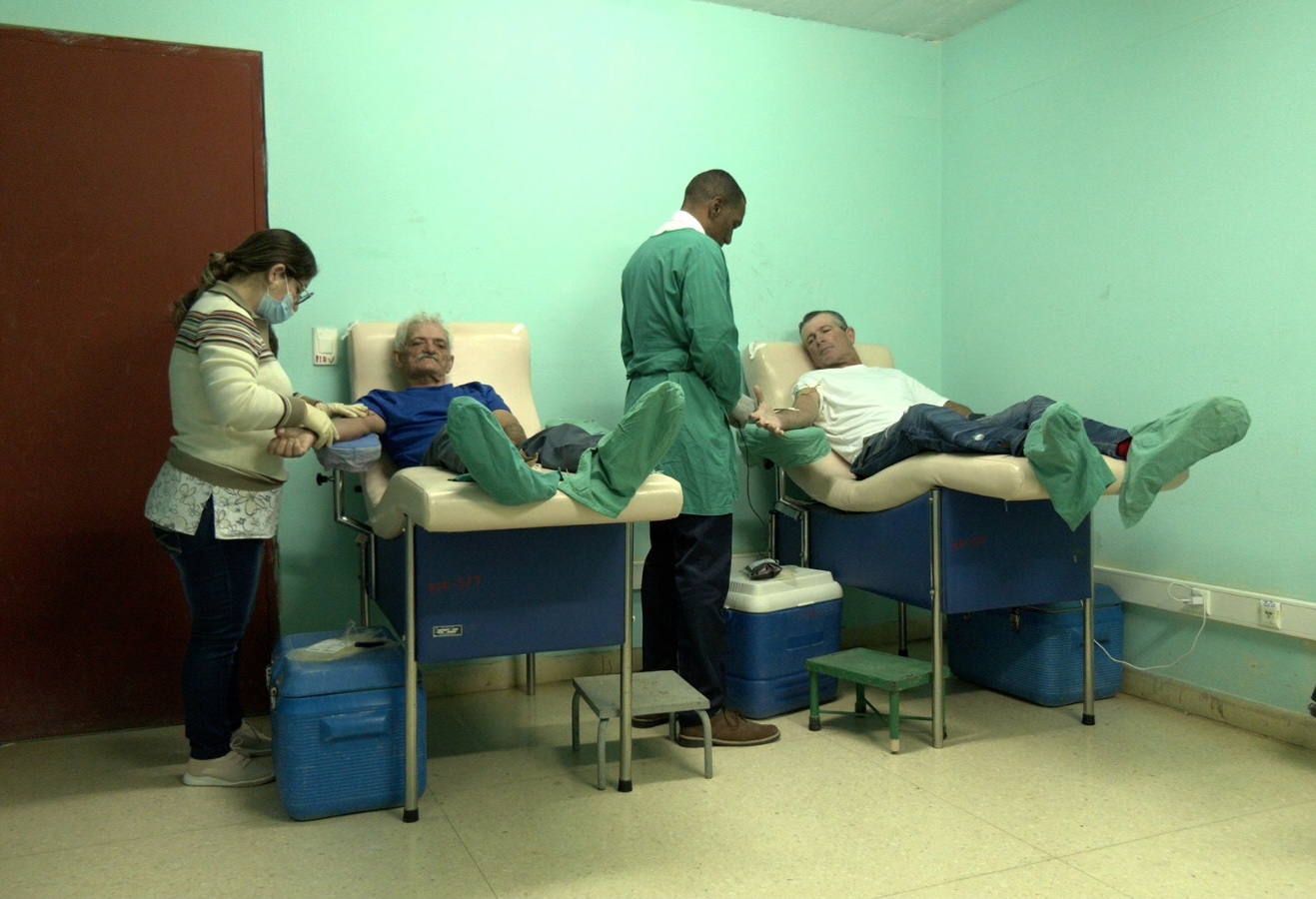
Recognizing this reality, health officials are considering a shift in strategy.
“For decades, recruiting donors was the responsibility of neighborhood organizations,” says Pons. “That model has lost effectiveness. We believe workplaces can contribute far more than residential communities. Projects such as Golpe a Golpe and donor brigades at the tourism cays have shown that organized groups can donate two or three times a year. If more institutions adopted that model, our situation would improve significantly.”
The University of Camagüey offers a striking example. Despite its thousands of students and faculty members, one open donation drive yielded only six donations.
“Can you imagine going to a university and collecting only six units?” Pons asks. “There should be donor brigades in every faculty. But that requires organization, coordination, and commitment.”
How Much Is a Life Worth?
Perhaps the most disturbing aspect of the current crisis is the growing tendency to put a price on blood.
How much is a life worth?
Is blood becoming a commodity?
The reality is more complicated than simple buying and selling. Families facing serious illness do whatever they can to find donors. When life hangs in the balance, moral judgments become easier for outsiders than for those living through the ordeal.
The truth is that blood is sometimes unavailable in hospitals and blood banks. That means fewer resources for surgeries, emergency care, and critically ill patients.
For now, the situation has not reached the point of chaos. Surgical activity itself has declined because of shortages in other medical resources, reducing demand for blood.
But the question remains.
If circumstances were different, where would the blood come from?
In a sense, it is already there—inside people.
Not everyone can donate.
But what about those who can?
Reality rarely feels urgent until it becomes personal. Until uncertainty and desperation arrive at your own doorstep.
And in the end, if the life of someone you love is on the line, how much would a bag of blood be worth?
Translated by Linet Acuña Quilez